Suzhou Ansion Technology

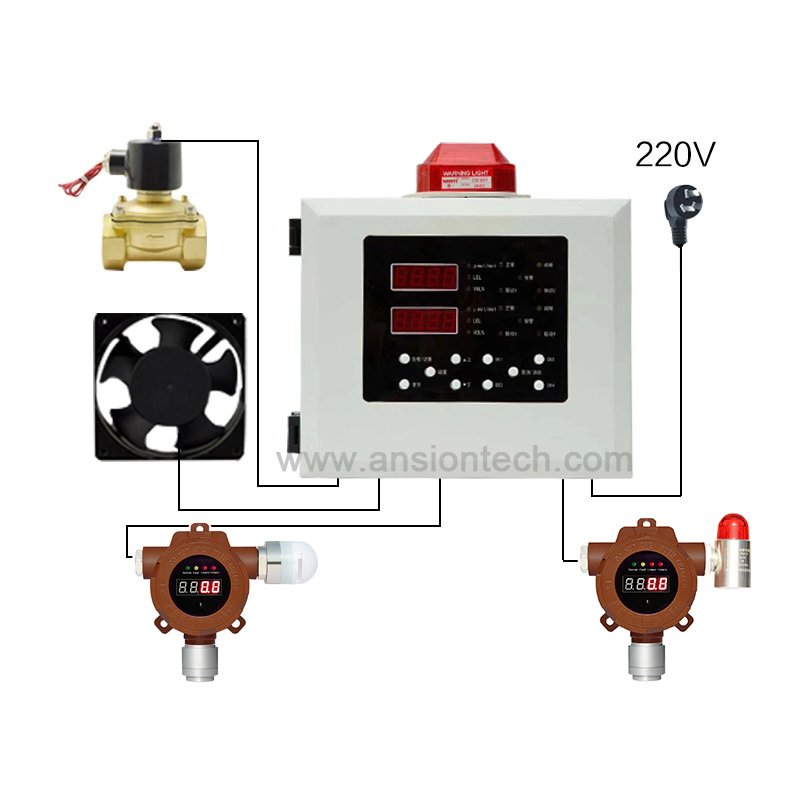
How gas detector work

Gas detectors work by sensing the presence of various gases in the air through different technologies. Most work based on the following principles::
1. Catalytic sensors: These sensors detect combustible gases like methane, propane, and butane. They contain a catalyst that reacts with the gas to produce heat, which changes the electrical resistance of the sensor.
2. Infrared sensors: These sensors detect gases like carbon dioxide and hydrocarbons by using an infrared beam. The sensor emits an infrared beam, which is absorbed by the gas molecules. The amount of infrared radiation absorbed is proportional to the concentration of the gas.
3. Electrochemical sensors: These sensors detect toxic gases like carbon monoxide and hydrogen sulfide. This type of gas detector uses electrodes to measure the concentration of a gas. When the gas comes into contact with the electrodes, a chemical reaction occurs, producing an electric current that can be measured. The amount of current produced is proportional to the concentration of the gas.
4. Photoionization detectors (PID): These detectors detect gases like volatile organic compounds (VOCs) by using ultraviolet light to ionize gas molecules, producing positively charged ions and electrons. The electrons are collected by an electrode, producing a current that can be measured.
Once the gas detector senses the presence of a gas, it alerts the user through visual and audible alarms, and in some cases, it may also activate ventilation or other safety systems.
Gas detectors are used in a variety of applications, including industrial settings, laboratories, and homes to detect the presence of combustible, toxic, or asphyxiating gases. It’s essential to properly maintain and calibrate gas detectors to ensure their accuracy and reliability.


Suzhou Ansion Technology