Suzhou Ansion Technology

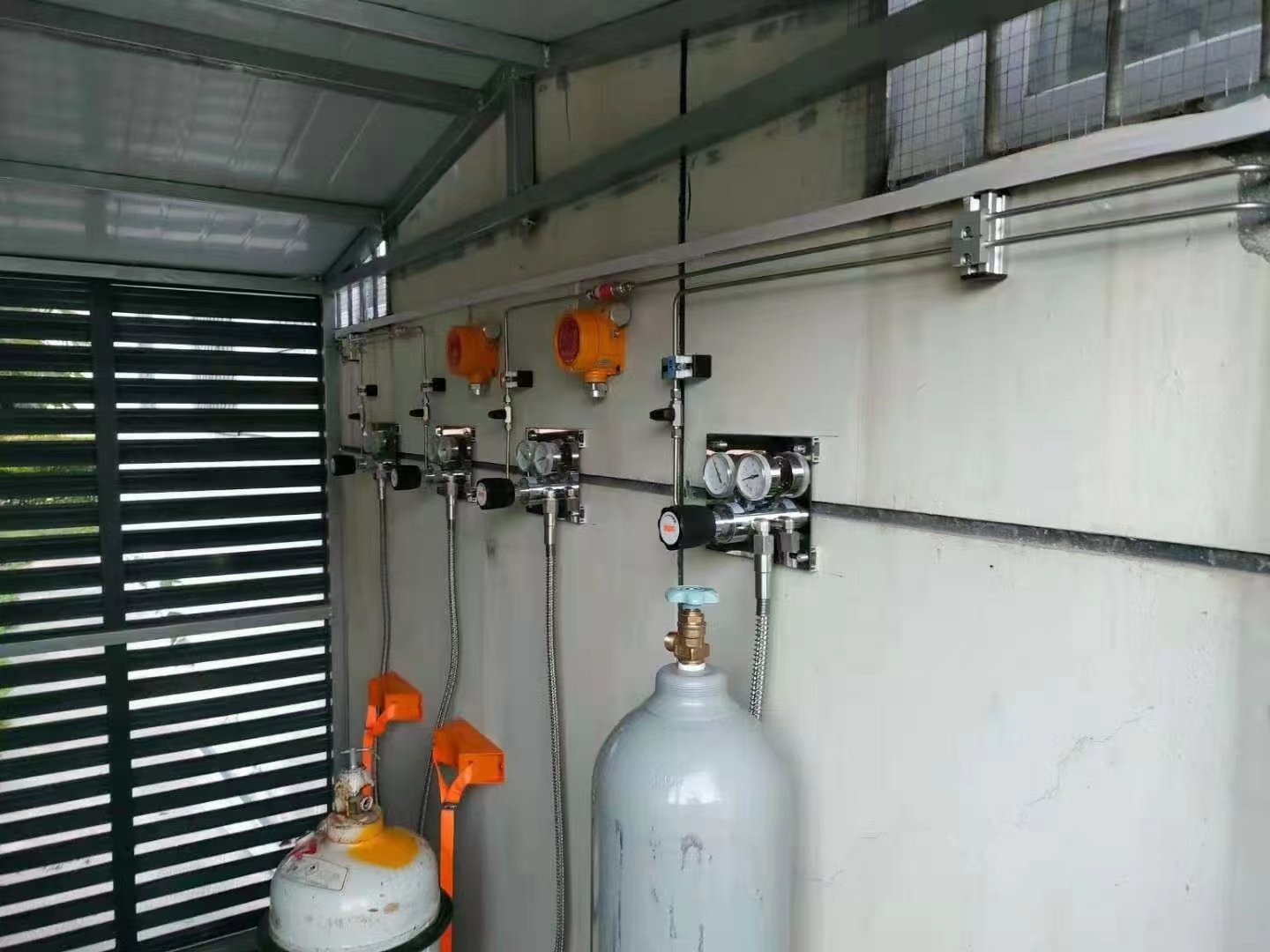
6 steps to choose the right gas detector

When choosing a gas detector, there are several factors to consider, including:
- Type of gas: Different gas detectors are designed to detect different types of gases. Ensure that the detector you choose can detect the gas you are concerned about.
- Type of detection: There are two main types of gas detection systems: fixed and portable. Fixed gas detectors are installed in a specific location and continuously monitor the area for the presence of gas. Portable gas detectors are handheld devices that can be used to detect gas in different locations.
- Sensitivity: The sensitivity of the detector refers to its ability to detect gas at low concentrations. If you need to detect gas at low concentrations, choose a detector with high sensitivity.
- Response time: The response time of the gas detector is the time it takes for the detector to alert the user of the presence of gas. Choose a gas detector with a fast response time to ensure the safety of workers in case of a gas leak.
- Cost: Gas detectors can vary in price depending on the type and features. Consider your budget when choosing a gas detector, but also remember that investing in a high-quality detector is essential for the safety of workers.
- Calibration & Maintenance: Gas detectors require regular maintenance to ensure they are functioning properly. Choose a gas detector that is easy to maintain and has readily available replacement parts.
By considering these factors, you can choose a gas detector that best suits your needs. It is also important to read the manufacturer’s instructions carefully to ensure that you use the detector correctly and safely.
What is gas detector?
Gas detector is an instrument that detects gas concentrations.
This detector is suitable for dangerous places where there are combustible or toxic gases, and it can continuously detect the content of the gas in the air within the lower explosion limit for a long time. It can be widely used in gas, petrochemical, metallurgy, steel, coking, electric power and other industries with flammable or toxic gases. It is an ideal monitoring instrument for property and personal safety.
Gas detectors can detect:
Combustible gases: natural gas (methane), liquefied gas (isobutane, propane), coal gas (hydrogen), acetylene, pentane, alkynes, alkenes, alcohol, acetone, toluene, alcohols, Various liquid vapors such as hydrocarbons and light oils.
Toxic gases: carbon monoxide, hydrogen sulfide, ammonia, chlorine, oxygen, phosphine, sulfur dioxide, hydrogen chloride, chlorine dioxide and other toxic and harmful gases.
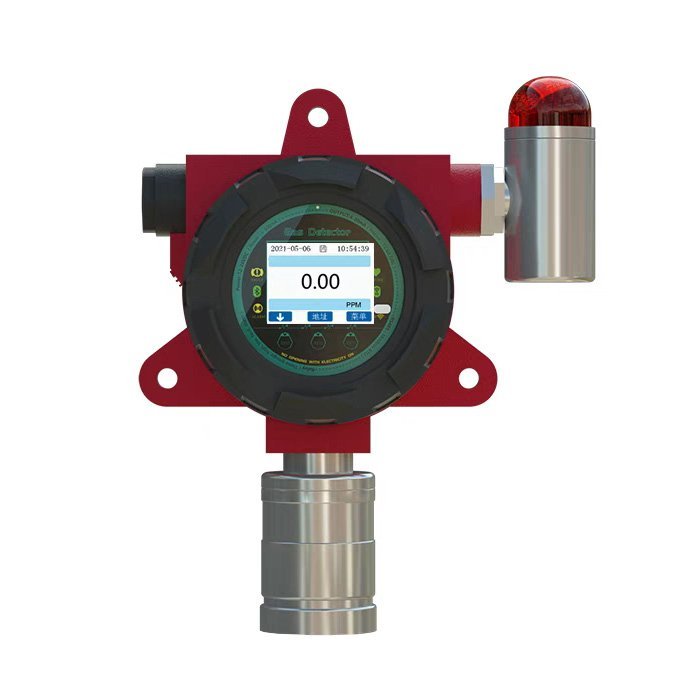
Better to choose Explosion-proof Fixed gas detector
Explosion-proof combustible gas detectors are generally used in hazardous scenes where explosive gas atmospheres exist.
Fixed explosion-proof combustible gas detectors need to be protected by an integral flameproof enclosure. The function of the flameproof enclosure is to insulate the flameproof enclosure no matter in the case of internal explosion or external ignition or explosion. The enclosure can withstand the explosive mixture entering the equipment in any form to cause an explosion, and it also prevents the ignition of the external explosive gas environment formed by a variety of gases or vapors.

Suzhou Ansion Technology